Your Google listing decides more than your menu does
Someone searching for dinner near you sees three names and picks by reviews — before your website is ever opened.
YYUVAVI/POS editorialWritten for people who run the floor
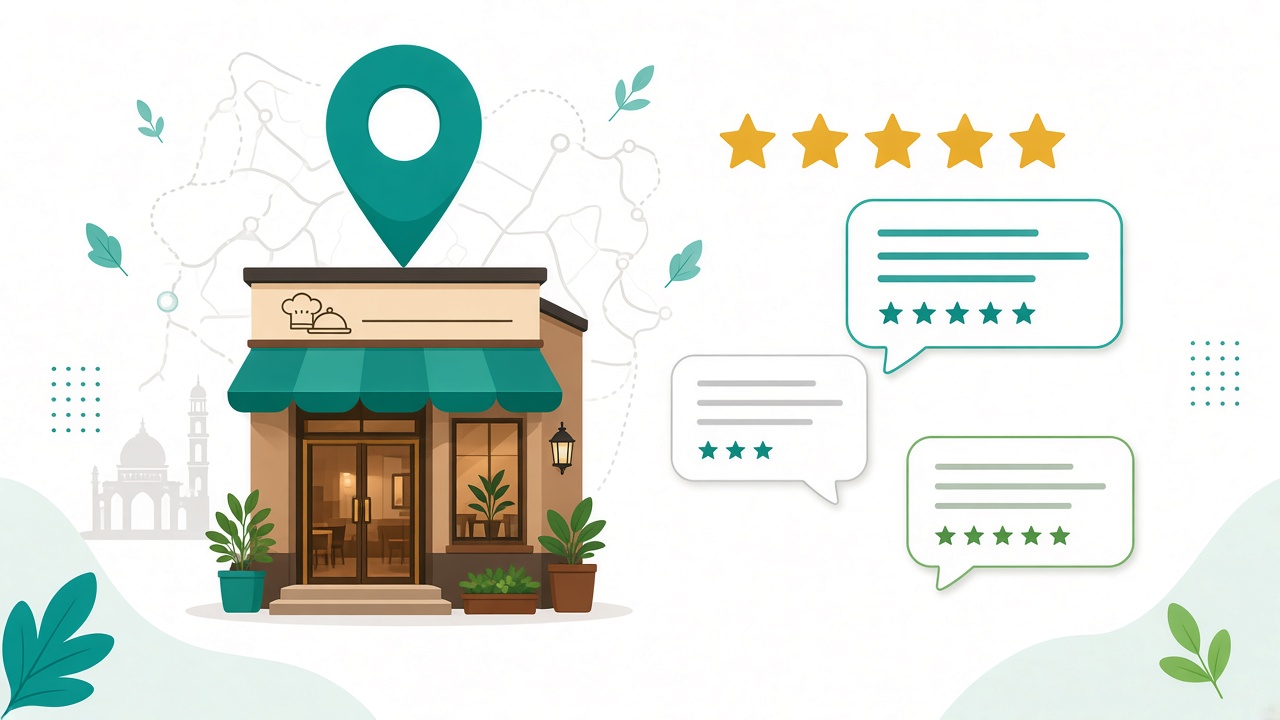
Open your own listing and look at the date
Find the last review you replied to. For most restaurants it is months ago, and often it is the angry one — replied to defensively, at length, in a way that reads worse than the review did.
A guest choosing between you and the place next door sees that too. Not the star rating, which is usually similar; the replies, which are usually not.
The four things that are almost always wrong
None of these need an agency. They need twenty minutes and somebody who cares.
- Hours, especially the ones you changed for a festival and never changed back
- Photos taken by guests outnumbering photos taken by you, ten to one
- The category, which decides which searches you appear in at all
- A menu link that goes to a PDF from two price rises ago
Asking, without becoming a nuisance
The best moment to ask for a review is when the bill is paid and the guest is still happy. Not the next morning, and not to everyone.
The rule that keeps this from turning into spam is simple: ask once, ask the people who came back, and never ask again if they ignored it. A request that arrives on WhatsApp from the number they already ordered from gets answered far more often than an SMS from a number nobody recognises — but only because it is rare.
Replying is the part that compounds
A reply is not for the person who wrote the review. It is for the next forty people who read it while deciding where to eat.
Short, specific, no template. A bad review answered in two honest sentences does more for you than three good reviews nobody responded to — and it is the only part of your listing you fully control.
Questions people ask
What should a restaurant fix first on Google Business Profile?
Hours (especially festival changes), recent photos you took yourself, the right category, and a menu link that matches current prices — then reply to every review.
How should restaurants ask for Google reviews?
Ask after a good visit, once, with a direct link. A QR on the bill or a WhatsApp message to a guest who already came back works better than a poster nobody scans.