YUVAVI POS home
POSSocial HubDesign StudioCreatorsBlogJobsAboutContact
LoginSign Up
  1. Home
  2. Blog
  3. Raising menu prices without losing your regulars
All articles
Growth12 September 20263 min read

Raising menu prices without losing your regulars

The price rise you keep postponing is not free. Your margin has been paying for it every day since the vendor's rate went up.

ATBy Ashish TiwariWriter, YUVAVI POS
ShareLinkedInXFacebookWhatsAppTelegram
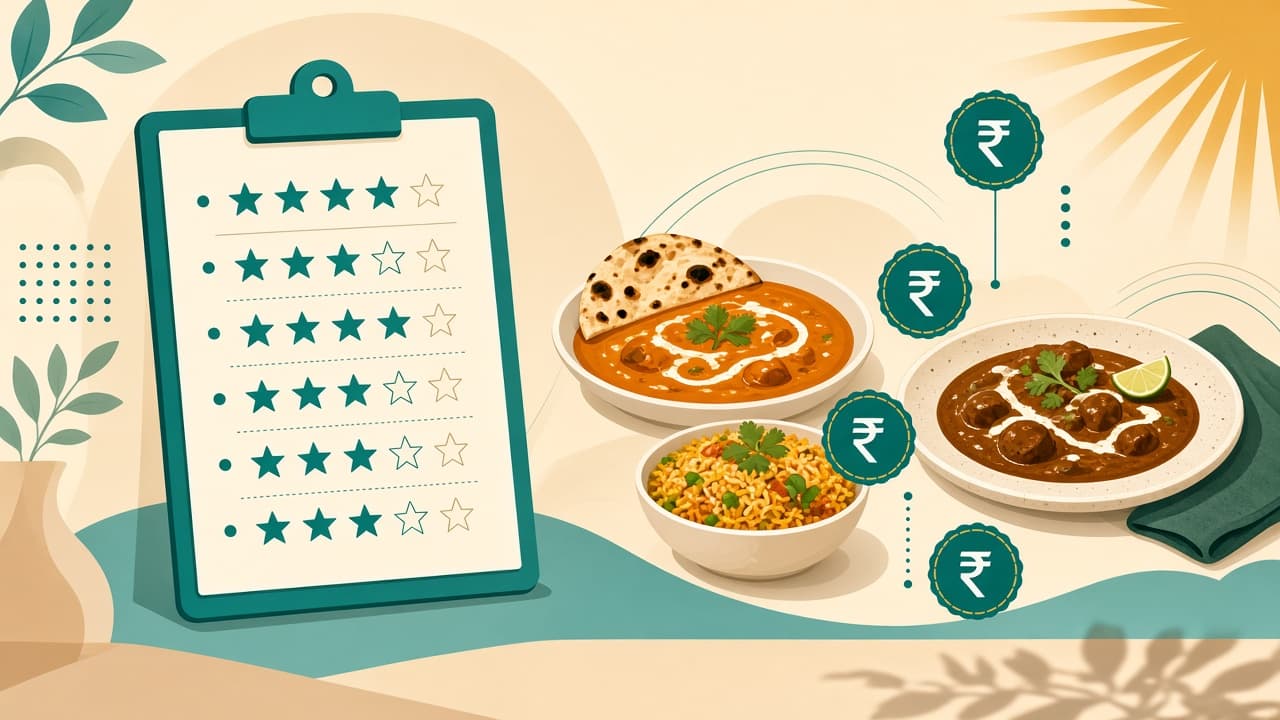
Menu engineering clipboard with plated dishes and price tags
Raise what costs moved — update every menu the same day.

In this guide

  1. 1. The rise you did not make is already costing you
  2. 2. Not every dish, and not by the same amount
  3. 3. Change the dish, not only the number
  4. 4. When and how to make the change
  5. Questions people ask

The rise you did not make is already costing you

Vendors rarely raise a rate dramatically. Oil goes up a little, then dairy, then the gas cylinder, and each time the menu stays where it was because a price change feels like a risk.

Put your fifteen best-selling dishes next to what their ingredients cost today, not when the menu was printed. The gap is what the delay has cost, and it grows every week you wait.

Not every dish, and not by the same amount

A flat increase across the menu is the one guests notice most. Price changes land better when they follow the dish rather than the calculator.

  • Popular dishes with thin margins get a small rise — they sell on habit, and a few rupees rarely breaks a habit
  • Signature dishes nobody else makes can carry more; there is nothing to compare them with
  • Leave the cheapest item in each category alone. It is the number guests anchor on
  • Dishes that sell poorly and cost a lot are candidates for removal rather than repricing
Infographic: stars, plough horses, puzzles and dogs on a restaurant menu matrix
Raise thin-margin sellers carefully; remove expensive dogs instead of repricing them.

Change the dish, not only the number

A new price on an unchanged dish invites comparison with the old price. A dish that has also changed — a new garnish, a side included, a combo that did not exist before — has no old price to compare with.

Combos are the gentlest lever of all. They move the average bill up while the individual prices, the ones regulars remember, stay put.

When and how to make the change

Small, regular changes are gentler than one large one after two years of waiting. Change on a quiet weekday rather than before the weekend, and never in the middle of service.

  • Update the QR menu, the printed card and the delivery menus on the same day, so no guest finds two different prices
  • Tell the staff first, and give them one honest sentence to say if a regular asks
  • Watch the item report for two weeks — a dish that suddenly stops selling is telling you the rise went too far

Questions people ask

How should a restaurant raise menu prices?

Raise the dishes whose costs moved, do it once with clear communication, keep a few hero items stable if you can, and update every printed and digital menu the same day.

When is a bad time to raise restaurant prices?

Mid-festival rush or right after a poor review streak. Pick a quiet week, brief staff on the new numbers, and make sure QR and Google menus match the till.

Next step

Put the same ideas on the floor — billing, kitchen and guest channels in one login.

See menu, costing and item reports
ShareLinkedInXFacebookWhatsAppTelegram

In this guide

  1. 1.The rise you did not make is already costing you
  2. 2.Not every dish, and not by the same amount
  3. 3.Change the dish, not only the number
  4. 4.When and how to make the change
  5. Questions people ask

Topics

increase restaurant menu pricesrestaurant menu pricing Indiamenu engineering restaurantrestaurant food cost control

Read next

  • Menu engineering grid with plated Indian dishes and margin markers
    GrowthMenu engineering for Indian restaurants: stars, dogs and the silent margin leakYour best-seller is not always your best dish. Sometimes it is the one that keeps the kitchen busy while the margin walks out the door.
  • Food cost control illustration with recipe clipboard and vegetable scale
    Kitchen & opsWhere food cost actually leaks in a restaurantNobody loses margin in one dramatic event. They lose it in small amounts, every day, in four places, and the monthly count arrives too late to name any of them.
  • Indian cafe billing counter with a tablet showing a tax summary and a printed receipt
    Billing & GSTWhich GST rate goes on a restaurant bill: 5%, 18% and the ITC ruleThe rate on the bill is not a menu setting you pick per dish. It follows from where the restaurant sits and whether you claim credit on what you buy.
YUVAVI POS logo - AI restaurant POS SaaS platform

YUVAVI POS

AI-powered restaurant management platform transforming the food service industry.

Product

  • Restaurant Software
  • Restaurant POS
  • Social Hub
  • Design Studio
  • Creator Marketplace
  • Documentation
  • Blog

Company

  • About Us
  • Careers
  • Contact
  • Privacy Policy
  • Terms of Service
  • Cancellation & Refund Policy
  • Data Deletion

Contact

  • support@yuvavi.ai
  • +91 89627 74177
  • Indore, India

© 2026 YUVAVI POS. All rights reserved.