QR menus: what makes a guest actually order from one
Most QR menus are a photograph of a printed card. That is why a guest opens one, pinches to zoom twice, and asks for the paper.
YYUVAVI/POS editorialWritten for people who run the floor
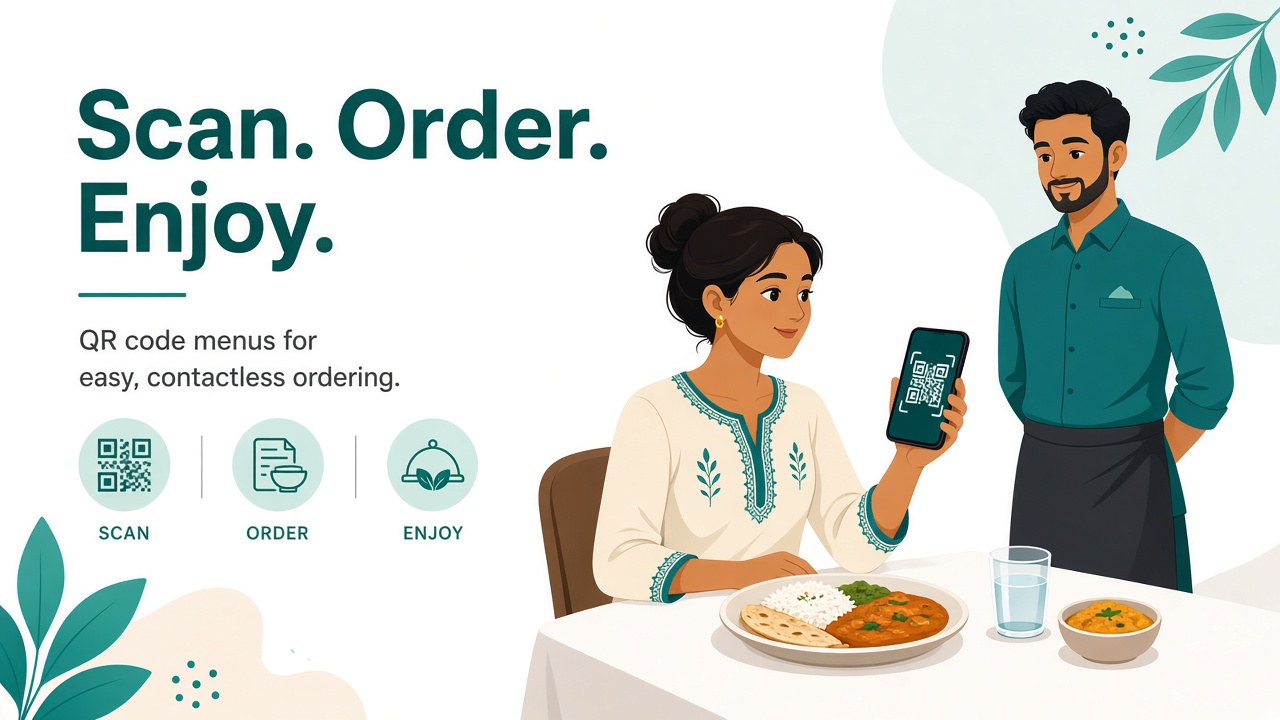
What the first screen has to do
A guest decides in about five seconds whether this is going to be quicker than waving at somebody. Everything that helps them decide belongs above the fold, and nothing else does.
- The categories, as a row they can tap rather than a list they must scroll past
- Prices visible without opening anything
- Veg and non-veg marked the way people expect to see it in India
- Whatever is unavailable today greyed out rather than hidden, because a guest who orders a finished dish and is told later has been let down twice
Where the order gets abandoned
Abandonment on a QR menu is rarely about the food. It is about a wall somebody put in the way, usually for a reason that made sense to whoever built it.
- Asking for an app install. Nobody installs an app to order dal.
- A login before the cart. Ask for the phone number when it is needed, to send the bill or the order status, not before the guest has decided anything.
- Payment upfront in a dine-in restaurant, which is not how anybody eats.
- A form asking for the table number, when the code stuck to that table already knows it.
What it actually changes in the kitchen
The visible benefit is that a guest orders without waiting. The larger one is invisible: the order was never spoken, so it was never mis-heard, and it was never typed twice.
An order placed at the table reaches the kitchen as the guest wrote it. There is no waiter memory in between and no second entry at the till afterwards, which is where the variant, the no-onion note and the extra portion usually go missing.
Questions people ask
What is a QR code menu for restaurants in India?
A table QR that opens your live menu on the guest's phone so they can browse, customise and place an order that goes to the kitchen — without downloading an app.
Does a QR menu replace waiters?
No. It reduces order-taking load and mistakes; staff still serve, upsell and handle guests who prefer to talk to a person.