Cloud kitchen POS: one kitchen, three brands, one ticket screen
A second brand on the same stove only works if the ticket says which bag to pack — and the report says which brand paid for the oil.
YYUVAVI/POS editorialWritten for people who run the floor
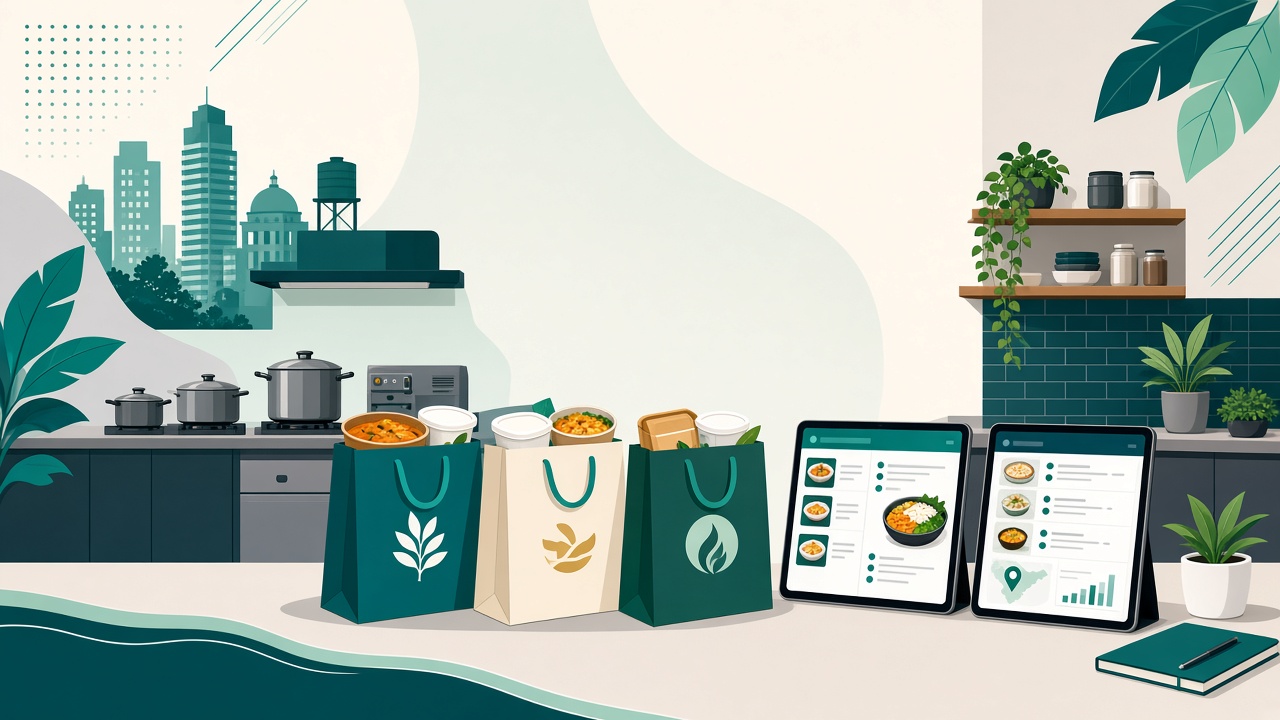
Why a second brand is not a second till
Most cloud kitchens add a brand to fill idle hours on the same stove. The mistake is treating that brand as a separate company on the floor: a second login, a second printer, a second person watching for tickets.
Guests order from different apps and names. The kitchen still has one pass. If the ticket does not carry the brand, the bag, and the aggregator order id in the same place, packing becomes guesswork in the rush.
- One kitchen display for every brand that cooks on that line
- Brand name and order source printed large enough to read at a glance
- Shared recipes where the dish is the same food under two names
Commission is a mix problem, not a morality play
Aggregators still find the first order. The second order from that phone is the one worth moving to WhatsApp or your own link — if the kitchen ticket looks identical either way.
Measure commission as a share of sales per brand, not as a feeling. A brand that only lives on one app and never captures a phone number will always pay discovery tax.
- Capture the guest phone on every direct and WhatsApp order
- Keep aggregator menus in sync with the till the same day you change a price
- Day close per brand and for the kitchen as a whole — both numbers matter
What breaks first when you scale brands
Stock. Three brands sharing one freezer without a deduction when items sell will look profitable until the audit. Route every sold item through the same inventory, tagged by brand for the P&L.
Staff training is second. A new packer who learns only one sticker colour will mislabel the second brand on night one. Laminate a one-page packing map next to the pass.
Questions people ask
Can one POS run multiple cloud kitchen brands?
Yes. Brands share one kitchen display and catalogue where recipes overlap, while menus, prices and day-close reports stay separate per brand.
What breaks first when a cloud kitchen adds a second brand?
Stock deductions and packing labels. Without shared inventory and clear brand names on every ticket, food cost and wrong bags show up within a week.