WhatsApp is where your guests already are, and that is the problem
Every restaurant has a WhatsApp number. Very few have given a guest a reason to keep it unblocked.
YYUVAVI/POS editorialWritten for people who run the floor
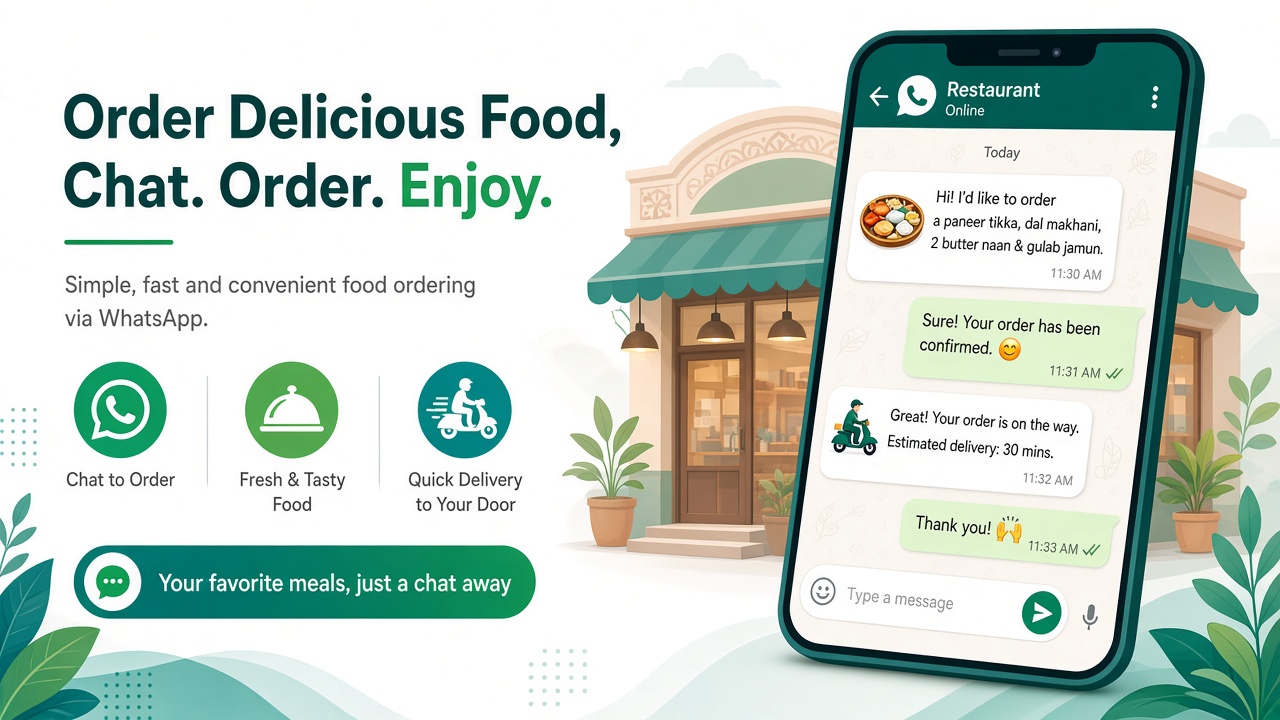
The number people keep, and the number they block
A guest keeps a restaurant number for one reason: it has been useful. It told them the table was ready, or the order was out, or it answered when they asked whether the kitchen was still open.
The moment that number starts sending an offer every Friday it stops being useful and becomes something to silence. Blocking is quiet. Nobody tells you, the messages keep reporting as sent, and the list you were proud of fills slowly with people who cannot hear you.
What is worth sending
The test is simple and unforgiving: would this guest have been mildly annoyed if you had not sent it. Almost nothing marketing produces passes that test. Almost everything operational does.
- Order confirmed, order ready, order out for delivery
- Booking confirmed, and a reminder on the day, once
- The bill, when they asked for it on WhatsApp rather than on paper
- One review request after a visit that went well, to somebody who has come back
The rules exist, and they are not bureaucracy
WhatsApp separates two situations, and that separation is the whole system. If a guest messaged you in the last twenty-four hours you can reply freely. Outside that window you can only send a message whose wording was approved in advance.
This is why an approved template reads stiffer than what you would have typed. It is also why the channel still works at all: the approval is the reason a restaurant cannot do to WhatsApp what it did to SMS. Treat consent the same way. A phone number given so you could send a bill is not permission to send an offer.
Frequency is the whole game
Most restaurants that fail at this do not fail on content. They fail because somebody decided that if one message a month worked, one a week would work four times as well.
A useful ceiling is one non-operational message a month, to people who have actually visited, with an easy way out that you honour immediately. That sounds too slow. It is the difference between a list that still works next year and a list that quietly stopped working in March without telling you.
Questions people ask
How should restaurants use WhatsApp in India?
Send operational messages first — order ready, booking reminder, bill — and keep marketing to about one useful message a month to people who have actually visited, with easy opt-out.
Can restaurants send offers on WhatsApp anytime?
Only inside the 24-hour window after a guest messages you, or with an approved template outside that window. A number given for a bill is not blanket consent for promotions.